Ethics for Accountants
Exam Preparation Course for CPA Australia Ethics & Governance Module 2
What you'll learn
- Understand the fundamental principles of the APES 110 Code of Ethics
- Identify common ethical dilemmas such as misleading reporting and conflicts of interest
- Analyze ethical scenarios using philosophical theories and structured decision-making models
- Explain the distinction between legal compliance and ethical responsibility
- Apply professional skepticism to maintain the quality and integrity of accounting work
- Evaluate the impact of accounting decisions on investors, creditors, and the wider public
- Develop professional judgment to navigate complex situations involving competing interests
About this course
This course explores the critical role of ethics in the accounting profession, emphasizing that ethical conduct is central to professional judgment, trust, and public accountability. You will examine the distinction between business ethics and professional standards, and learn how to apply the APES 110 Code of Ethics to resolve complex workplace dilemmas.
Key topics covered include:
- Philosophical foundations of ethics: Egoism, Utilitarianism, Rights, Justice, and Virtue Ethics
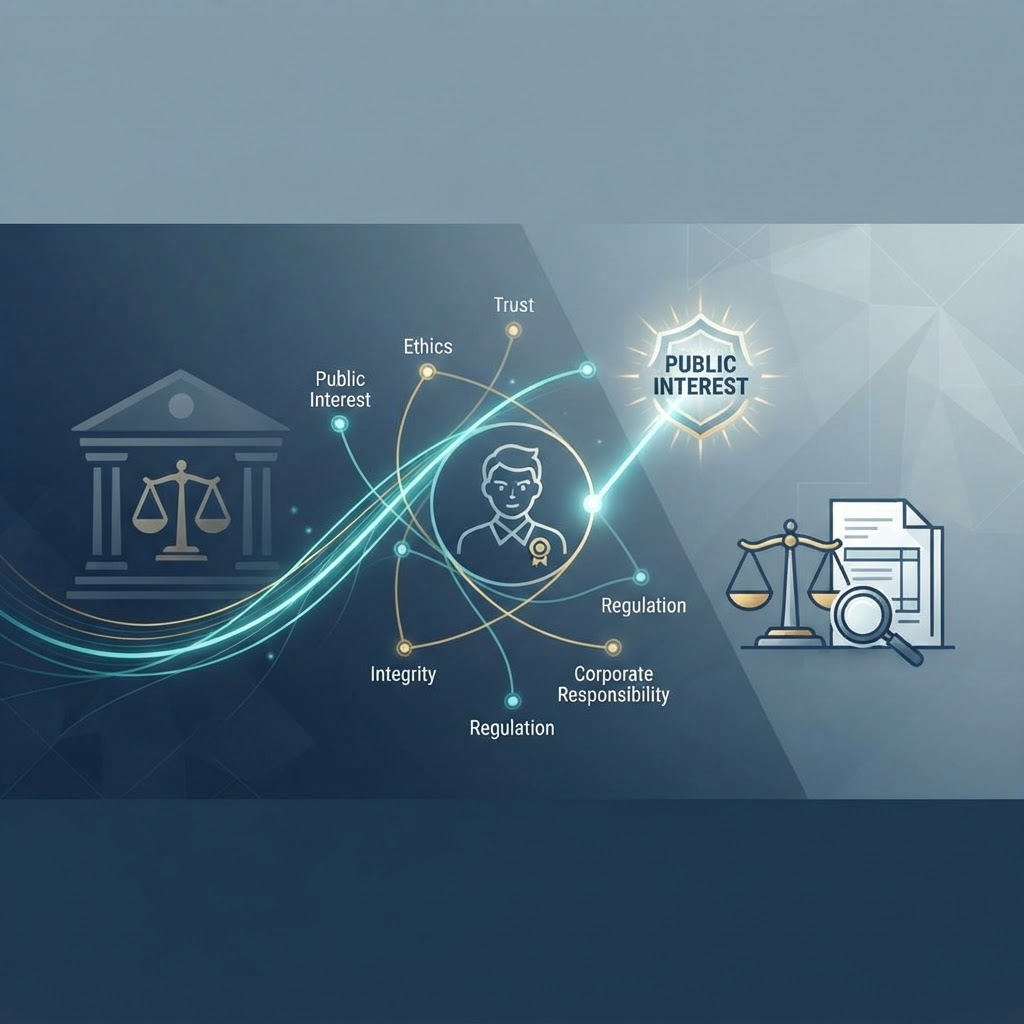
- The Public Interest mandate and the service ideal
- Frameworks for analyzing 'right versus right' dilemmas
- Emerging challenges such as Artificial Intelligence, sustainability reporting, and greenwashing
- Practical applications of professional skepticism and structured decision-making models
Curriculum · 70 lessons
- 1.
Introduction to Module Two Ethics for Accountants
FREE2:08.0 - 2.
Learning Objectives for Professional and Business Ethics
FREE2:18.2 - 3.
Module Overview and Core Analytical Ethics Tools
2:12.2 - 4.
Part A Professional Ethics and Accountant Roles
2:19.1 - 5.
Defining Ethics and Principles of Professional Ethics
2:10.7 - 6.
Responsibilities of a Professional Accountant
2:28.3 - 7.
Impact of Ethical and Unethical Decision Making
2:35.8 - 8.
Consequences of Ethical Failings at Individual and Professional Levels
2:29.9 - 9.
Kidder's Four Categories of Ethical Dilemmas
2:19.8 - 10.
Case Study James Hardie Industries Ethical Lessons
2:17.4 - 11.
Systematic Ethical Processes and Decision Making
2:25.4 - 12.
Differentiating Business Ethics from Professional Ethics
2:36.2 - 13.
Quiz: Introduction to Module Two Ethics for Accountants – Differentiating Business Ethics from Professional Ethics
QUIZ5 questions · requires lessons - 14.
Contemporary Ethical Challenges in Modern Accounting
2:48.8 - 15.
Ethical Challenges Within the Australian Accounting Profession
2:27.2 - 16.
Reasons for Misconduct and Accountants Responses
2:23.0 - 17.
Case Studies Keep on Trucking and Sustainable Distribution
2:17.9 - 18.
Part B Ethical Theories and Philosophical Frameworks
2:13.1 - 19.
Western and Eastern Ethical Traditions and Influences
2:43.7 - 20.
Introduction to Normative Theories of Ethical Conduct
2:32.6 - 21.
Overview of Teleological Consequentialist Ethical Theories
2:30.0 - 22.
Egoism and the Concept of Enlightened Self Interest
2:24.9 - 23.
Limitations of Utilitarianism and the Ford Pinto Case
2:41.4 - 24.
Key Differences Between Egoism and Utilitarianism
2:35.0 - 25.
Deontological Duty Based Theories of Ethics
2:35.0 - 26.
Quiz: Contemporary Ethical Challenges in Modern Accounting – Deontological Duty Based Theories of Ethics
QUIZ5 questions · requires lessons - 27.
Distributive Justice Equality Merit and Needs Principles
2:30.6 - 28.
Virtue Ethics and Character in Accounting Practice
2:35.7 - 29.
Moral Agency and Practical Application in Accounting
2:09.4 - 30.
Part C APES 110 Code of Ethics Overview
2:20.6 - 31.
Introduction to APES 110 and NOCLAR Requirements
2:15.7 - 32.
Hierarchy of APESB Pronouncements and Frameworks
2:36.1 - 33.
The Public Interest in Professional Accounting Practice
2:34.8 - 34.
Structure and Content of the APES 110 Code
2:33.2 - 35.
The Five Fundamental Principles for Professional Accountants
2:05.1 - 36.
Integrity and Moral Courage in Accounting Practice
2:46.2 - 37.
Objectivity and Threats in Related Party Transactions
2:42.8 - 38.
Professional Competence and Due Care Obligations
2:42.1 - 39.
Quiz: Distributive Justice Equality Merit and Needs Principles – Professional Competence and Due Care Obligations
QUIZ5 questions · requires lessons - 40.
Confidentiality Obligations and Disclosure Requirements
2:38.0 - 41.
Professional Behaviour and the Scott London Case
2:41.3 - 42.
The Conceptual Framework Approach for Addressing Threats
2:41.5 - 43.
Five Categories of Threats to Ethical Compliance
2:45.1 - 44.
Methods for Addressing Identified Ethical Threats
2:26.8 - 45.
Parts Two and Three of the APES Code
3:05.3 - 46.
Managing Conflicts of Interest in Professional Practice
3:01.7 - 47.
Safeguards for Managing Conflicts of Interest
2:37.6 - 48.
Remuneration Incentives and Fees in Accounting Practice
3:04.2 - 49.
Commissions Soft Dollar Benefits and Financial Advice
2:24.3 - 50.
Inducements Gifts and Hospitality in Professional Settings
2:44.7 - 51.
Responding to Non Compliance with Laws and Regulations
2:59.0 - 52.
Quiz: Confidentiality Obligations and Disclosure Requirements – Responding to Non Compliance with Laws and Regulations
QUIZ5 questions · requires lessons - 53.
NOCLAR Requirements for Senior and Other Accountants
3:07.5 - 54.
Standards for Preparation and Presentation of Information
3:10.6 - 55.
Professional Appointments and Second Opinion Procedures
3:20.9 - 56.
Part Four Independence in Audit and Assurance Engagements
2:47.1 - 57.
Common Threats to Independence in Audit Engagements
3:03.3 - 58.
Risks of Providing Non Assurance Services to Clients
2:58.7 - 59.
Historical Examples of Ethical Failures by Accountants
3:07.4 - 60.
Part D Ethical Decision Making Models
2:35.4 - 61.
Factors Influencing Ethical Decision Making in Practice
3:05.3 - 62.
Individual Factors Including Moral Development and Courage
2:55.4 - 63.
Organisational Factors and the Impact of Corporate Culture
3:33.4 - 64.
Ethical Climates and Organisational Outcomes on Productivity
2:46.2 - 65.
Quiz: NOCLAR Requirements for Senior and Other Accountants – Ethical Climates and Organisational Outcomes on Productivity
QUIZ5 questions · requires lessons - 66.
Societal Factors Laws Culture and Ethical Relativism
3:13.6 - 67.
Speaking Up and Communicating on Ethical Issues
2:40.1 - 68.
Overview of Ethical Decision Making Models
2:45.5 - 69.
Applying APES GN 40 to Workplace Ethical Conflicts
2:48.1 - 70.
The Philosophical Model of Ethical Decision Making
2:54.1 - 71.
The American Accounting Association Seven Step Model
3:06.2 - 72.
Comparing Three Key Ethical Decision Making Models
3:08.7 - 73.
Whistleblowing and Ethical Disclosure in Professional Life
2:33.4 - 74.
Summary of Module Learning Objectives
3:33.9 - 75.
Module Two Review and Core Ethical Concepts
3:15.0 - 76.
Quiz: Societal Factors Laws Culture and Ethical Relativism – Module Two Review and Core Ethical Concepts
QUIZ5 questions · requires lessons
Requirements
- A foundational understanding of the role of a professional accountant
- Completion of introductory accounting modules or equivalent practical experience
- A basic awareness of current professional accounting standards and regulatory environments
7 days left to enroll
11 seats left
or watch individual lessons (1 credit/minute)