New to CatchCPT? Get 5 free credits to spend on any lesson — automatically added when you register. Plus earn rewards when you refer friends. Get started
Introduction to Trust Law Fundamentals
1:47
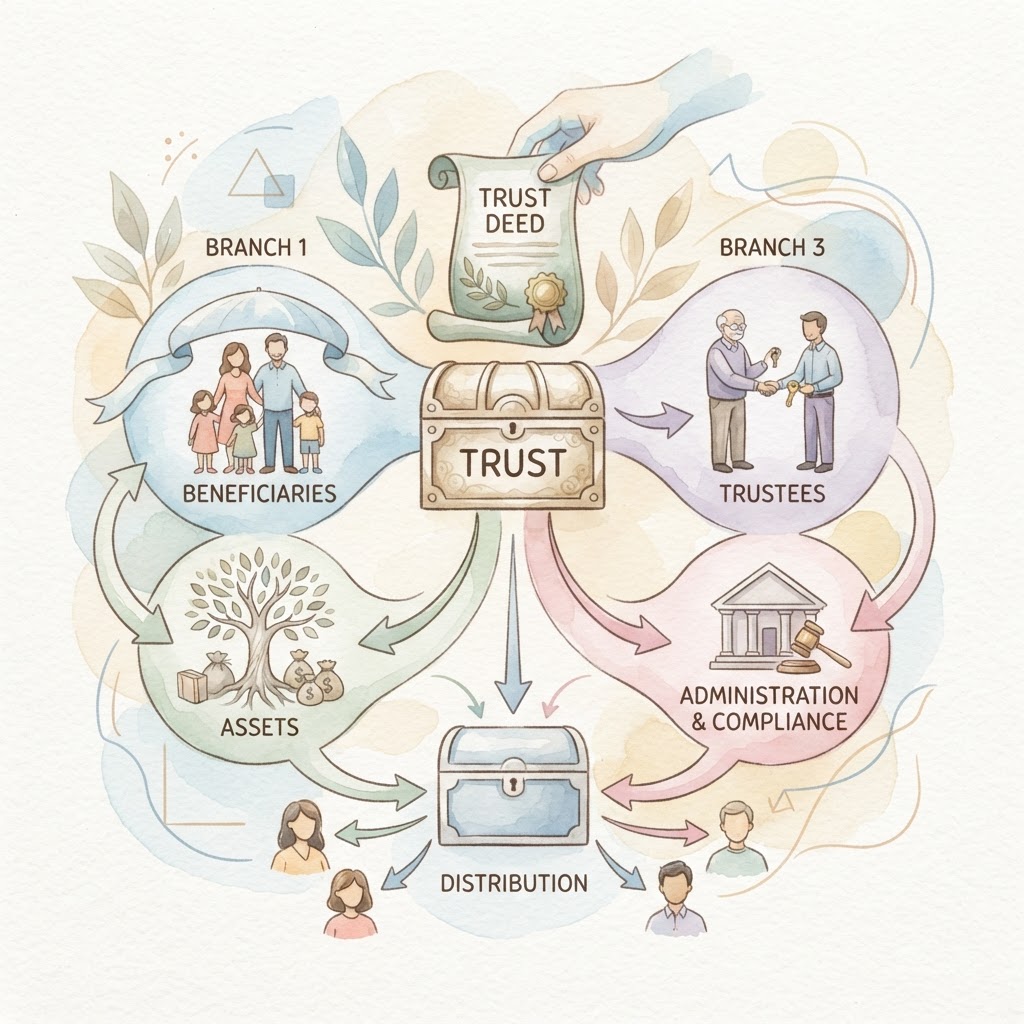
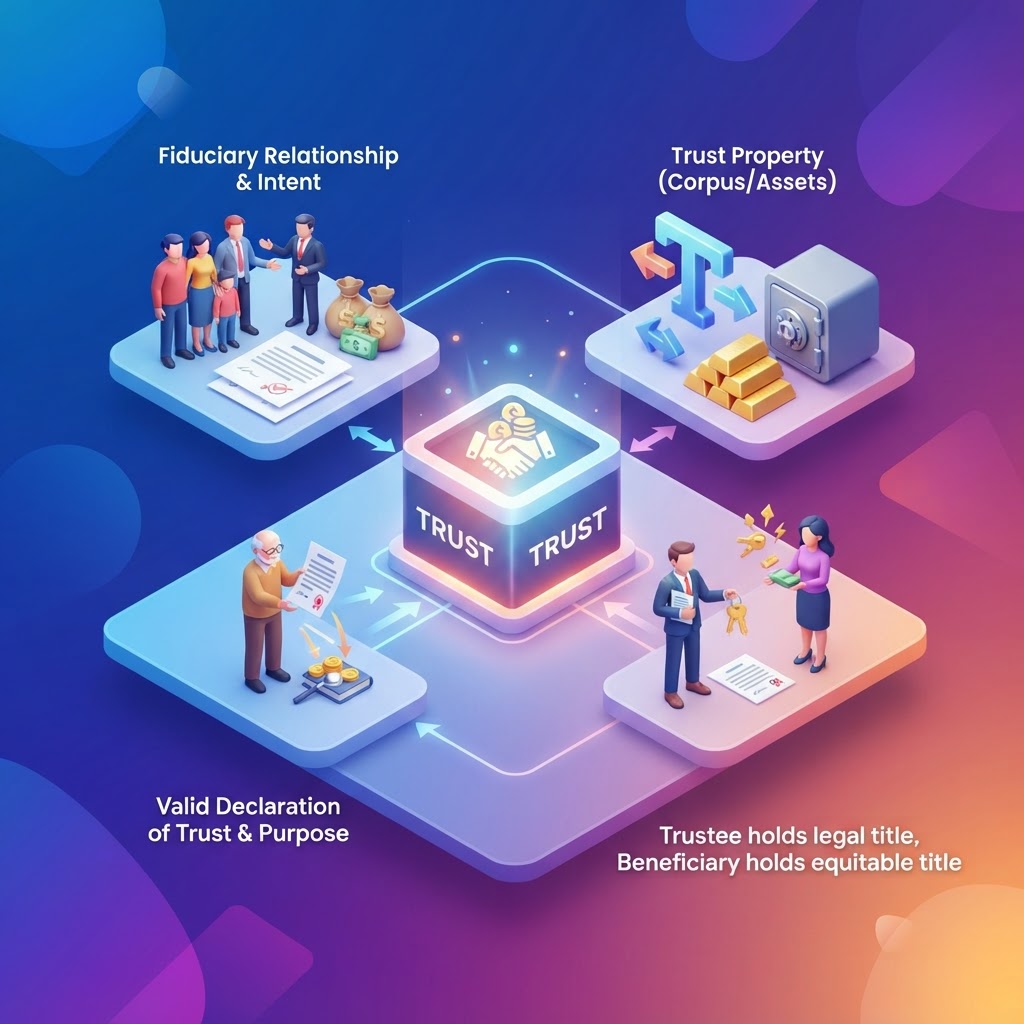
Trusts have become an essential tool in modern legal, financial, and estate planning frameworks, offering flexibility, control, and protection over how assets are managed and distributed. At their core, trusts are not independent legal entities but structured arrangements in which a Settlor transfers assets to a Trustee, who then manages those assets for the benefit of designated Beneficiaries. This arrangement allows for efficient administration, long term planning, and mitigation of legal or financial risks. A key advantage of trusts lies in their ability to bypass probate, ensuring smoother and more private transfers of wealth upon death. Because the trust, rather than the individual, owns the assets, families can avoid lengthy and expensive court processes. Trusts are also widely used to safeguard assets from potential creditors, marital disputes, or unforeseen liabilities—provided they are not established with the intention to defraud. When properly structured, a trust can serve as a robust protective layer without compromising lawful obligations. Modern trust structures also support investment management through holding companies, facilitating clearer segregation of assets and reduced personal liability for Trustees. In addition, specialised trusts, such as employee benefit trusts and pension schemes, play an important role in corporate governance and workforce retention. Ultimately, trusts offer a dynamic framework that adapts to the diverse objectives of individuals, families, and organisations. Whether for wealth preservation, business continuity, or efficient investment management, understanding the principles and roles within a trust is essential for anyone involved in financial services or estate planning.
Introduction to Trusts
Unlock to access all lessons, quizzes, and a certificate.
Related courses
 Corporate FinanceSeptember 2026
Hong Kong Takeovers, Mergers and Share Buy-backs
Legal & Compliance
 Artificial IntelligenceSeptember 2026
AI, Copyright, and the Ownership of Training Data
Legal & Compliance
 Artificial IntelligenceSeptember 2026
From Chatbots to Agents: The Phase of AI
Legal & Compliance
 Digital AssetsSeptember 2026
Virtual Assets and Tokenised Securities: Regulatory Issues for Financial Intermediaries
Legal & Compliance
More from this course

Related lessons

Hong Kong Takeovers and Share Buybacks Regulatory Framework
Hong Kong Takeovers, Mergers and Share Buy-backs
2:03.8

Ownership and Ethics of Training Data in Generative AI
AI, Copyright, and the Ownership of Training Data
1:55.4

Transitioning from Generative AI Chatbots to Autonomous AI Agents
From Chatbots to Agents: The Phase of AI
2:02.3

Regulatory Compliance Frameworks for Virtual Assets and Tokenized Securities
Virtual Assets and Tokenised Securities: Regulatory Issues for Financial Intermediaries
2:05.3