
New to CatchCPT? Get 5 free credits to spend on any lesson — automatically added when you register. Plus earn rewards when you refer friends. Get started
Philosophy of the Comply or Explain Framework
2:43
The “comply or explain” philosophy represents a nuanced and principles‑based approach to corporate governance that moves beyond rigid rule‑following. Under this framework, issuers are expected either to comply fully with each code provision or to explain clearly and thoughtfully why an alternative approach has been adopted. This philosophy recognises that governance effectiveness depends on context, and that strict compliance may not always serve the best interests of a company or its shareholders. By allowing flexibility, the framework encourages boards to exercise judgement while remaining firmly anchored to the underlying principles of transparency, accountability, and effective oversight. Where an issuer chooses to deviate from a specific code provision, the disclosure requirements are both substantive and demanding. Companies must articulate a clear rationale for the deviation, describe the specific actions or measures taken in place of the prescribed provision, and explain the impacts and outcomes of those alternative arrangements. Importantly, issuers must demonstrate how good corporate governance has nevertheless been maintained. Generic or boilerplate explanations are insufficient; disclosures must be tailored, meaningful, and capable of enabling shareholders to understand both the reasoning behind the deviation and its governance implications. Crucially, the integrity of the “comply or explain” regime depends as much on the quality of disclosure as on the governance practices themselves. Even where an alternative approach is reasonable, a failure to provide adequate “Considered Reasons and Explanation” constitutes a breach of the Exchange Listing Rules. This underscores the principle that transparency is fundamental to market confidence. By requiring detailed, thoughtful explanations, the framework fosters informed shareholder engagement and constructive dialogue, while reinforcing the board’s accountability for governance decisions taken in light of the issuer’s unique circumstances. The Code also explicitly highlights the critical linkage between corporate governance and Environmental, Social and Governance (ESG) considerations, reflecting a modern and holistic understanding of sustainable value creation. Governance is no longer confined to financial oversight and compliance alone; instead, it provides the foundation through which boards assess a broader spectrum of risks and opportunities that may influence long‑term performance. By embedding ESG considerations within governance expectations, the Code reinforces the idea that responsible leadership and strategic decision‑making must take into account environmental impact, social responsibility, and ethical conduct alongside traditional financial objectives.
HKEx Listing Rules Corporate Governance Code
Unlock to access all lessons, quizzes, and a certificate.
Related courses
 Corporate FinanceSeptember 2026
Hong Kong Takeovers, Mergers and Share Buy-backs
Legal & Compliance
 Artificial IntelligenceSeptember 2026
AI, Copyright, and the Ownership of Training Data
Legal & Compliance
 Artificial IntelligenceSeptember 2026
From Chatbots to Agents: The Phase of AI
Legal & Compliance
 Digital AssetsSeptember 2026
Virtual Assets and Tokenised Securities: Regulatory Issues for Financial Intermediaries
Legal & Compliance
More from this course

Foundational Principles of Corporate Governance Code
HKEx Listing Rules Corporate Governance Code
2:06
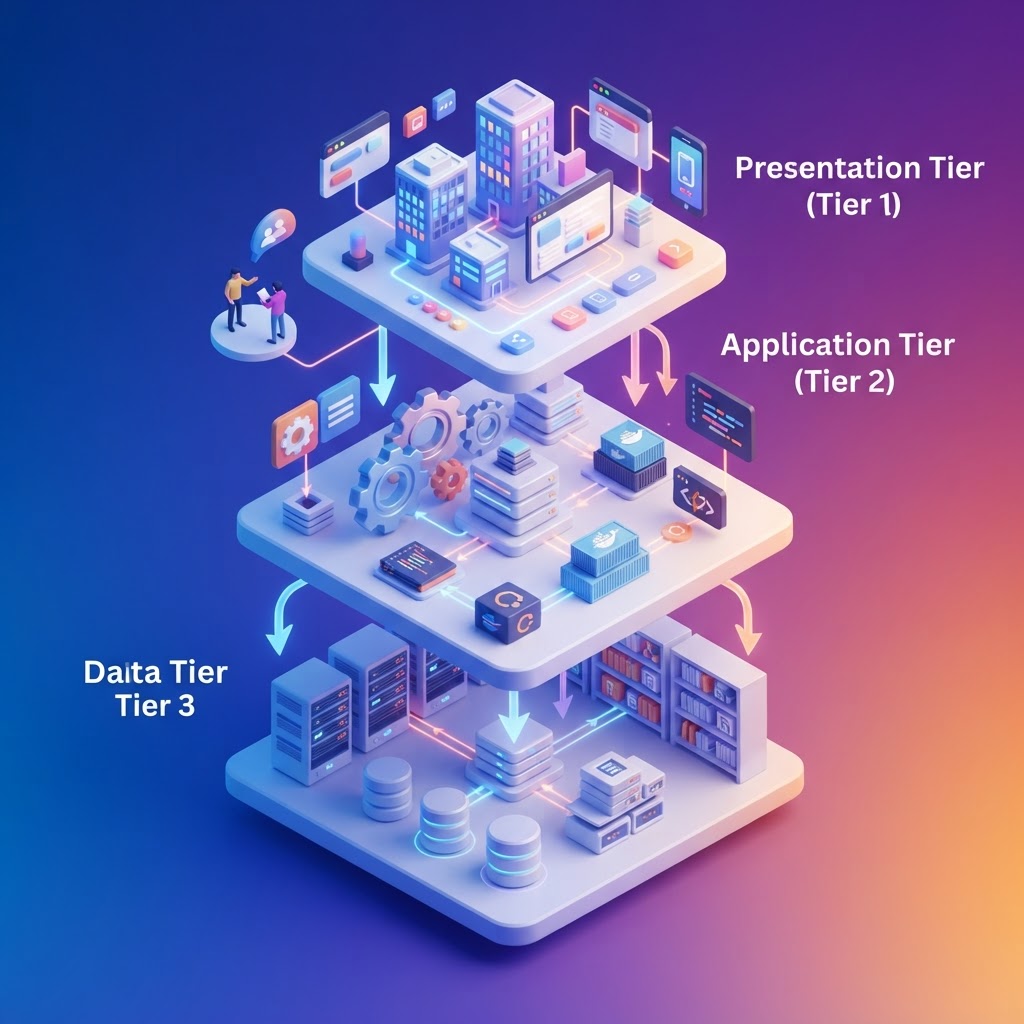
Understanding the Code's Three-Tiered Architecture
HKEx Listing Rules Corporate Governance Code
1:58

Linking Corporate Governance and ESG Integration
HKEx Listing Rules Corporate Governance Code
2:00

Mandatory Disclosures and Transparency Requirements
HKEx Listing Rules Corporate Governance Code
2:17
Related lessons

Hong Kong Takeovers and Share Buybacks Regulatory Framework
Hong Kong Takeovers, Mergers and Share Buy-backs
2:03.8

Ownership and Ethics of Training Data in Generative AI
AI, Copyright, and the Ownership of Training Data
1:55.4

Transitioning from Generative AI Chatbots to Autonomous AI Agents
From Chatbots to Agents: The Phase of AI
2:02.3

Regulatory Compliance Frameworks for Virtual Assets and Tokenized Securities
Virtual Assets and Tokenised Securities: Regulatory Issues for Financial Intermediaries
2:05.3